家 博客 页面 132

“依法治国”成了讽刺:死人无声,活人噤声

0

作者 胡丽莉   编辑:罗志飞    责任编辑:鲁慧文

2025年5月,《新黄河》记者刘成伟报道了刘东林“指居”监视居住死亡案,揭开了长达数年的隐秘黑幕。刘东林因早前涉及的一起案件被石家庄公安实施“指定居所监视居住”,在2019年10月8日在监视居住处死亡,后未经尸检便火化遗体。家属多年来四处控告,始终无人接应。直到媒体曝光最高检才启动核查,但办案权仍交由地方检察院,未能摆脱地方保护主义的操控,调查迟缓。而几乎在同一时间,石家庄公安迅速成立“5·11专案组”,对案件代理律师、关注记者以及协助家属的正义市民展开报复性调查、监听、传唤,甚至以“寻衅滋事”“妨害作证”等罪名打击。这起报道及相关网络讨论很快被全网删除,舆论场迅速被清空封禁。
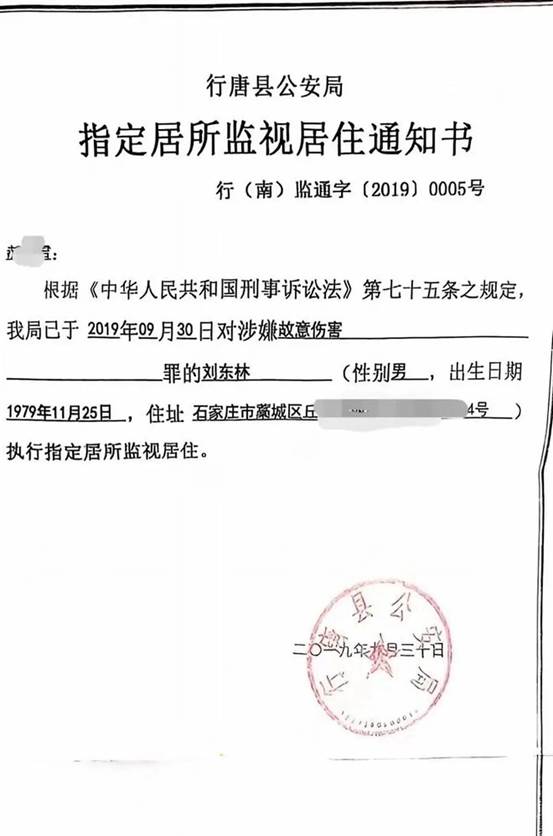
行唐县公安局对刘东林的指定居所监视通知书   (图片来源 新黄河)
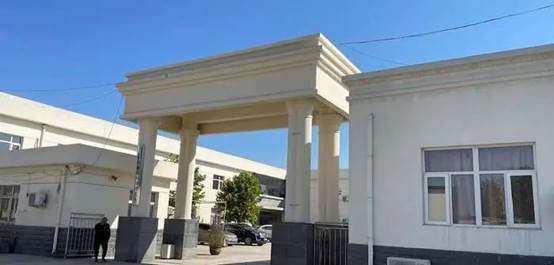
刘东林指定居所监视居住的银河宾馆原址,如今招牌已摘掉(图片来源 搜狐网)

2025年6月17日400公里外更加令人发指的暴家案在等待939天后终于迎来庭审,相关报道刚刚发布就被“和谐”。2022年7月受害人暴继业在拒绝签署伪造口供后与家人一起被带到指定居所,此后连续十多天持续遭受非人虐待,十余名警察用PVC管和木棍抽打脚底、碾压手背直致昏厥,被反复扇耳光至口鼻流血。其儿子暴韶瑞更是被用手摇电话电击生殖器,施暴者威胁“电废你”。另一个儿子,33岁的退伍水兵暴钦瑞,在“指定居所监视居住”的第13天突然猝死,尸检显示身体多处电击及限制性体位导致的严重损伤。
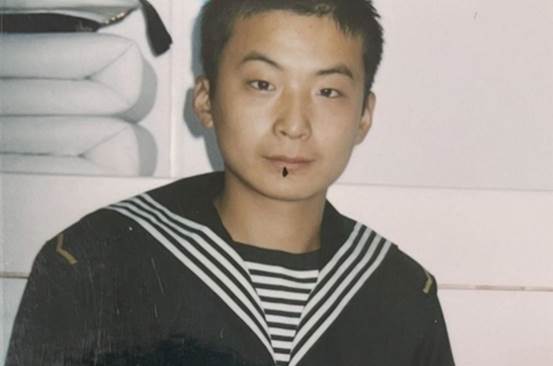
多年前在海军某部服役的暴钦瑞 (图片来源  财新网)
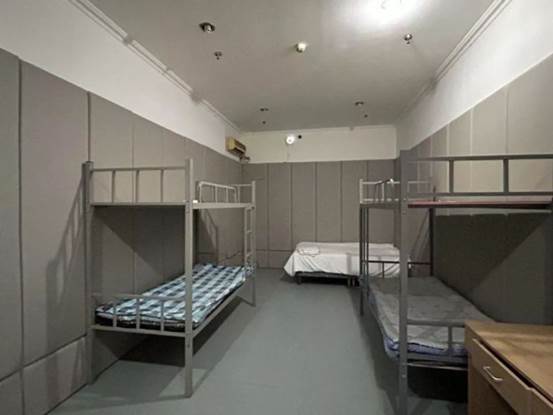
2023年9月14日,新乐宾馆一楼,部分房间的四壁均为软包墙。暴继业称,他们曾在这里被监视居住。(图片来源 南方周末)
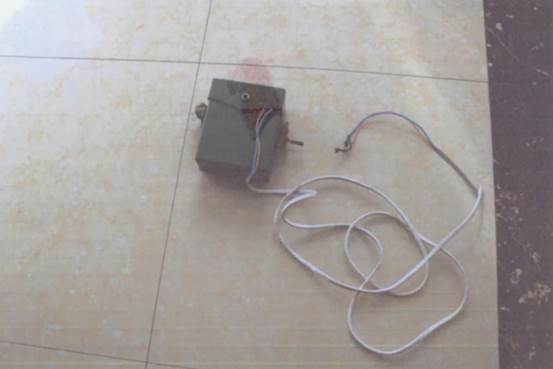
“5·25”专案期间,侦查人员对犯罪嫌疑人进行电击时使用的手摇电话机(图片来源 南方周末)

令人愤怒的是,参与刑讯的耿春远等警察如此对待暴家众人并非为了还原事实、伸张正义,而是为了讨好上级、掩盖自身非法办案行为,迅速结案以“完成任务”。主导刑讯的任力鹏在供述中坦承:暴继业“若不认,就没法交差”。这说明刑讯逼供根本不是为了查明真相,而是为了做案子、做成绩,可见刑讯逼供完全是为私利服务,而牺牲的是无辜生命与法律尊严。
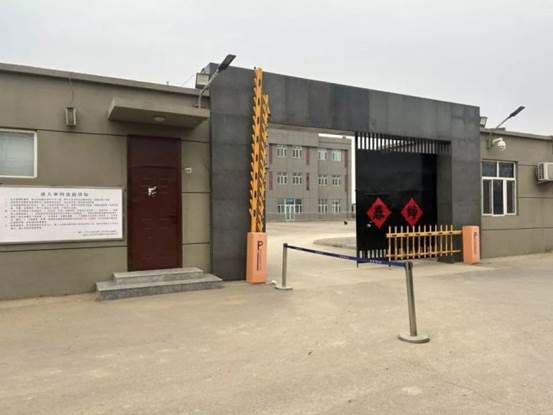
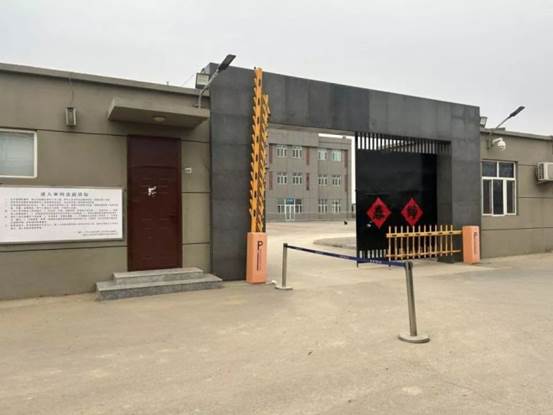
2025年2月13日至14日,8名“5·25”专案办案人员在保定市中级人民法院法警训练基地受审(图片来源 南方周末)

两起案件如出一辙:暴力、伪案、保护主义、对揭露者的打压。这绝不是偶发事件,而是制度性病灶的集中体现——地方公安对权力的无限滥用,司法机关与之沆瀣一气,缺乏监督和制衡,使得酷刑逼供、非法监视居住、迫害正义力量成了“默认配置”。

刘东林案尽管已上达最高检,但最终仍被交回地方检察机关处理,而当地的司法机关恰恰就是想把命案“掩埋”在本地;暴家案中,公开曝光更高强度的刑讯细节后,地方公安不是追责施暴者,而是街头抓证人、封口打压。这种上下呼应的沉默与压制,不仅是对法治的侮辱,更是对道德底线的践踏。

“指定居所监视居住”本身就游走在法律与黑狱之间,而地牢、刑椅、电击生殖器等酷刑手段,更彻底击穿了“依法治国”的底线。检察机关对公安系统失去制衡能力,反而沦为他们的保护伞,监督机制早已形同虚设。最终真正被打击的,不是犯罪者,而是伸张正义的人。

在国际场合高举“人权”“法治”旗帜的中国政府,在本国却默许甚至操控着对公民的非人待遇。从身体的伤害,到信息的封锁,从记者、律师被监听传唤,到家属四处申冤无门,基本人权被系统性剥夺,公民沦为国家机器下毫无保障的“执法对象”。

一个正常国家的治理,绝不能建立在恐惧、暴力和谎言的基础上。而今天的中国,正在以极快的速度背离现代法治、人权与民主的基本共识。

这些案件提醒我们:今日中国,不是法治崩坏,而是专制统治下对法治的有意识毁灭;不是偶发悲剧,而是制度性暴力的必然产物。那些凌驾于法律之上的暴力机器,那些把生命当作维稳代价的权力者,正是制造一切恐惧、谎言与苦难的根源。

我们必须直面这个事实:中国的执政党,正是这一切罪行的始作俑者与庇护者。只有当权力受到真正的制约,只有当人民敢于集体发声、拒绝沉默,正义才不再遥远。

不要再对暴政抱有幻想,不要再为体制粉饰和平。愤怒不是煽动,控诉不是犯罪。让我们以公民的名义,向不义之政发出最清晰的回响:

你们的谎言,我们不信;你们的暴力,我们不怕;你们的统治,终将被历史审判。

Rule-of-Law Governance Has Become a Farce: The Dead Are Voiceless, the Living Are Gagged

By Hu Lili   Editor: Luo Zhifei   Final Editor: Lu Huiwen   Translator: Lu Huiwen

In May 2025, New Yellow River reporter Liu Chengwei exposed the death of Liu Donglin while under residential surveillance at a designated location (RSDL). Liu, implicated in an earlier case, died on 8 October 2019 inside the RSDL site in Shijiazhuang. His body was cremated without an autopsy. For years his family petitioned in vain. Only after the media spotlight did the Supreme People’s Procuratorate order a review—yet jurisdiction was handed back to the local procuratorate, leaving the investigation mired in local protectionism.WhatsApp 图像2025-06-23于11.00.05_9889cd79 

RSDL notice issued by Xingtang County Public Security Bureau for Liu Donglin

Former site of the Galaxy Hotel, where Liu was held under RSDL—its sign has now been removed

Almost simultaneously, Shijiazhuang police created a “5·11 Task Force” to retaliate: they investigated, wire-tapped, and subpoenaed the victim’s lawyers, the reporter, and citizens who assisted the family, charging them with “picking quarrels” and “obstructing testimony.” The report and all online discussion were swiftly scrubbed from the internet.

Four hundred kilometres away, another atrocity finally reached trial on 17 June, after 939 days of delay—only for the news to be “harmonised” within hours. In July 2022, Bao Jiye refused to sign a fabricated confession and was taken—together with his family—into RSDL. For more than ten days they were tortured: police beat the soles of their feet with PVC pipes, crushed their hands with wooden rods, and slapped them until blood streamed from their noses and mouths. His son Bao Shaorui was shocked on the genitals with a hand-crank telephone; officers threatened to “fry” him. Another son, Bao Qinrui, a 33-year-old navy veteran, died suddenly on the 13th day of detention; the autopsy revealed multiple electric burns and positional asphyxia injuries.
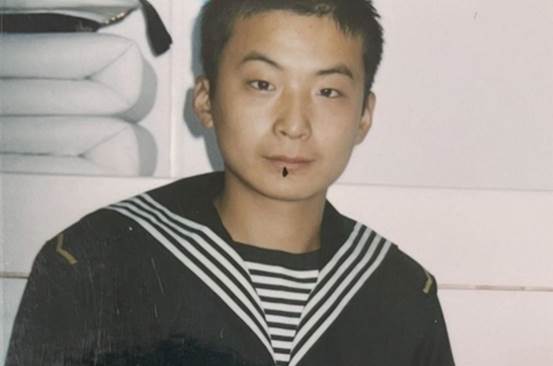
Bao Qinrui during his navy service (photo: Caixin)
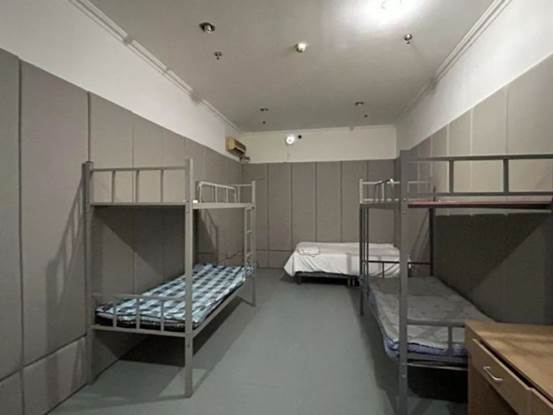
Room with padded walls at Xinle Hotel, where the Baos were held (photo: Southern Weekly)
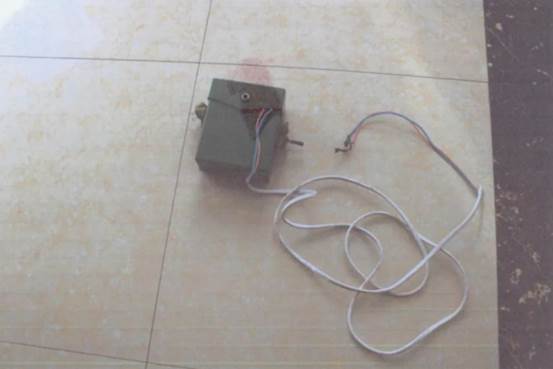
Hand-crank telephone used to torture suspects during the “5·25 Task Force” (photo: Southern Weekly)

Lead interrogator Ren Lipeng later confessed that the goal was not truth but performance: “If Bao Jiye wouldn’t confess, we couldn’t close the case.” Torture was merely a shortcut to meet quotas—human life and legal dignity be damned.

On 13–14 February 2025, eight members of the “5·25 Task Force” stood trial at the Bailiff Training Base of Baoding Intermediate Court (photo: Southern Weekly)
The two cases are strikingly similar: violence, fabricated charges, local cover-ups, and reprisals against whistle-blowers. They are not accidents but symptoms of a systemic rot—unchecked police power, collusion within judicial bodies, and the collapse of oversight.

Even after reaching the Supreme Procuratorate, Liu Donglin’s case was kicked back to the very county that tried to bury it. In the Bao case, detailed revelations of torture were met not with punishment of the perpetrators but with gag orders and arrests of witnesses.

RSDL itself straddles the line between legality and a black jail; torture devices—dungeons, restraint chairs, electric shocks to genitals—obliterate any pretense of “rule by law.” Procurators who should restrain the police have become their shield. Ultimately, the ones punished are not criminals but those who seek justice.

While Beijing waves the banners of “human rights” and “rule of law” abroad, it tacitly condones, even orchestrates, inhuman treatment of citizens at home: physical abuse, information blackout, surveillance of reporters and lawyers, petitioning families left unheard. Basic rights are systematically stripped away; citizens reduced to mere “targets” of enforcement.

A functioning state cannot be built on fear, violence, and lies. Yet today’s China is hurtling away from modern ideals of law, rights, and democracy.

These cases remind us: the problem is not a breakdown of law, but its deliberate destruction under authoritarian rule; not random tragedy, but the inevitable product of systemic violence.

The Chinese Communist Party is both architect and guardian of this cruelty. Justice will remain distant until power is truly checked and citizens speak together in defiance of silence.

Do not cling to illusions about benign autocracy. Anger is not sedition; accusation is not a crime. In the name of citizenship, let us answer tyranny with the clearest echo:

We refuse your lies.

We fear not your violence.

Your rule will stand trial before history.
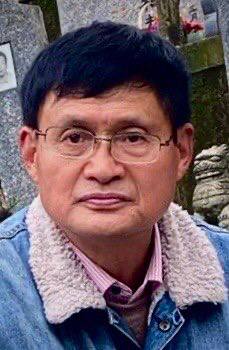
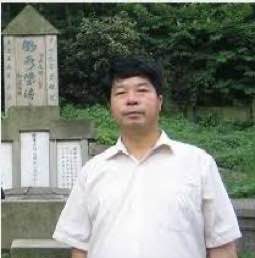
毛庆祥

0

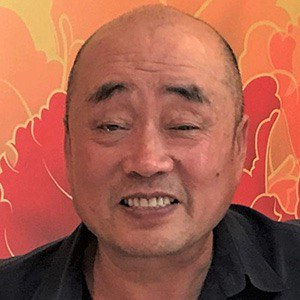
毛庆祥(1950年5月24日—),浙江杭州人,自由撰稿人、人权活动家,中国民主党创始党员。1976年“四五运动”参与者,被关押三个月;1978年起投身杭州民主墙运动,担任《四五》《华东》等民刊编辑,1981年因“反革命宣传煽动罪”判刑三年 。1998年积极筹建中国民主党,主编党刊《在野党》 。1999年6月被捕,11月以“颠覆国家政权罪”获刑八年、剥夺政治权利三年,直至2007年9月14日刑满获释 。狱中坚持理念,拒绝减刑,出狱后多次遭监控与骚扰 。他认为推动民主制衡机制能根本抑制腐败 。作为浙江民主运动的先行者,他以笔为剑,长年奋斗,被视为中国民主与人权事业的顽强象征。

Mao Qingxiang (born May 24, 1950), a native of Hangzhou, Zhejiang Province, is a freelance writer, human rights advocate, and founding member of the China Democracy Party.

A veteran of China’s pro-democracy movement, Mao participated in the April Fifth Movement in 1976 and was detained for three months. Beginning in 1978, he became active in the Democracy Wall Movement, serving as editor of samizdat journals including April Fifth and East China. In 1981, he was sentenced to three years in prison for “counterrevolutionary propaganda and incitement.”

In 1998, Mao played a key role in the formation of the China Democracy Party and served as editor-in-chief of its official publication, The Opposition Party. He was arrested in June 1999 and sentenced in November to eight years in prison and three years’ deprivation of political rights on charges of “subverting state power.” He was released in September 2007 after completing the full sentence.

Refusing to recant or seek leniency, Mao endured imprisonment with resolve and has since been subjected to continued surveillance and harassment. A longtime proponent of institutional checks and balances as the antidote to endemic corruption, he is regarded as a resilient figure in China’s decades-long pursuit of democracy and human rights

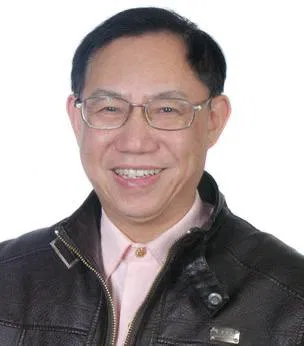
谢长发

0

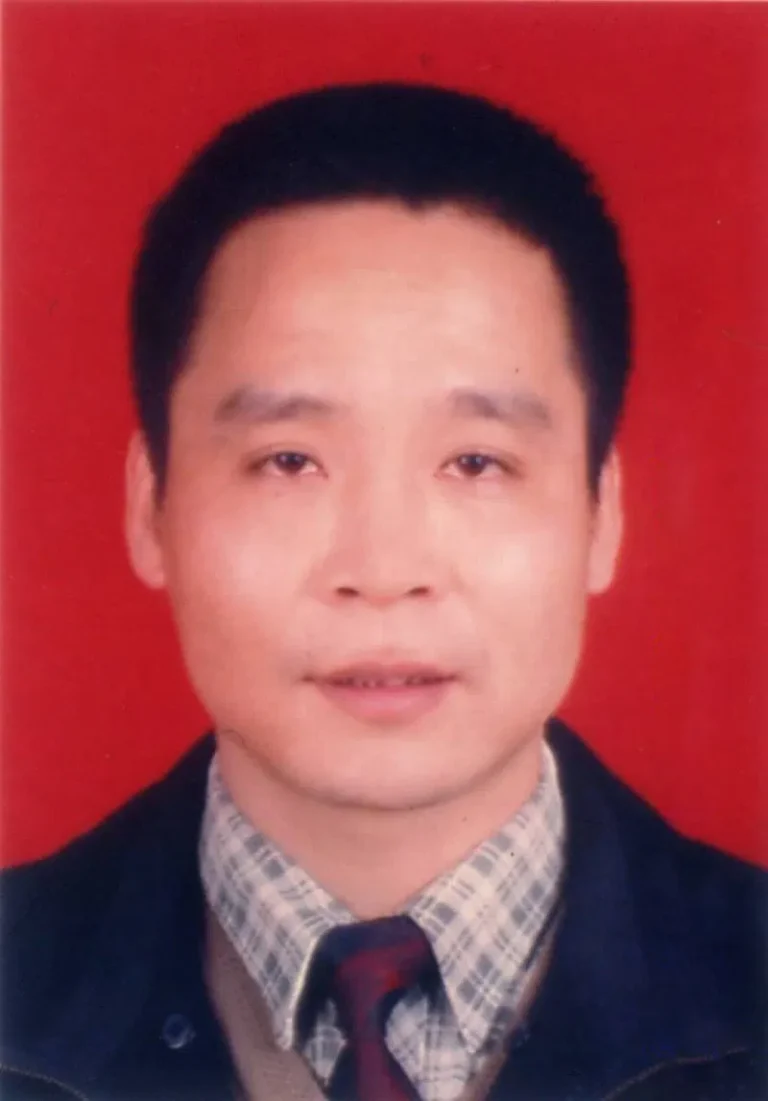
谢长发(1951年10月7日—),湖南望城县坪塘镇人,民主异议人士。1989年参与天安门民主运动,任“工自联”领袖,六四后坚持公开谴责当局暴行,被判劳动教养两年。1998年与潘明栋等筹建中国民主党湖南筹委会,屡次遭拘留;自2002年起坚持定期聚会,联系各地民运人士并资助经济困难者。2005年撰写《中国民主党宣言》《昭告海外同胞书》等文,并筹划召开全国代表大会。2008年因批评汶川地震“豆腐渣工程”再度被捕,2009年以“颠覆国家政权罪”判刑13年,成为近年来大陆获刑最重的政治犯之一,堪称中国民主与人权事业中不屈的象征。

Xie Changfa (born October 7, 1951), a native of Pingtang Town, Wangcheng County, Hunan, is a veteran pro-democracy dissident.

He was a leader of the Workers’ Autonomous Federation during the 1989 Tiananmen protests and was sentenced to two years of re-education through labor for openly condemning the crackdown. In 1998, he co-founded the Hunan Preparatory Committee of the China Democracy Party with Pan Mingdong and others, facing repeated detentions. From 2002, he organized regular gatherings, supported fellow activists, and offered aid to those in financial hardship.

In 2005, he authored key party documents—including the China Democracy Party Manifesto—and helped plan a national congress. Arrested again in 2008 for criticizing shoddy construction in the Sichuan earthquake, he was sentenced in 2009 to 13 years for “subversion of state power,” making him one of China’s most heavily sentenced political prisoners in recent years.

Xie is widely regarded as a symbol of unyielding resistance in China’s struggle for democracy and human rights.

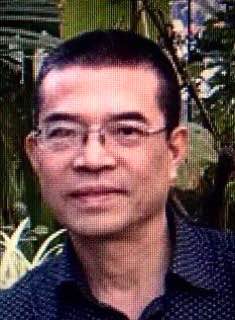
胡石根

0

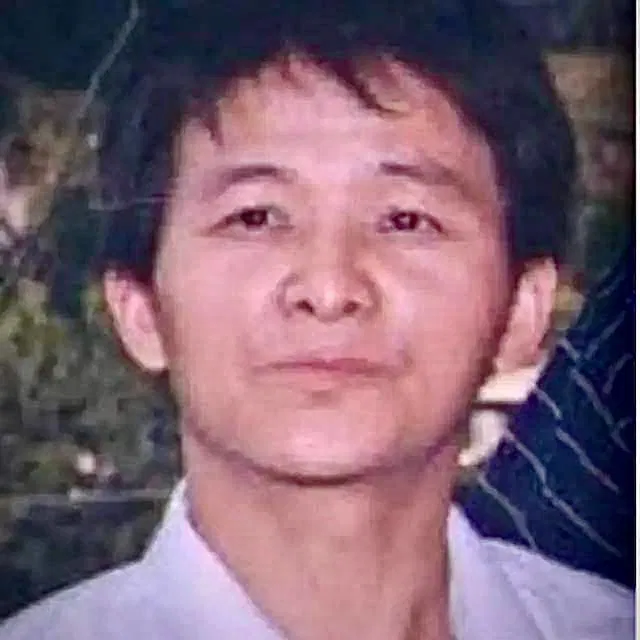
胡石根(1954年11月14日—),江西南昌人,1983年毕业于北京大学中文系,曾任北京语言大学讲师。他是中国自由民主党早期发起人与独立中文笔会成员,自1991年起积极组织民主活动。1994年以“组织反革命集团和反革命宣传煽动罪”被判刑20年,服刑16年后于2008年8月获释 。获释后继续参与民间维权与宗教自由活动,是家庭教会“雅和博圣约教会”长老。2015年“709律师大抓捕”中被捕,2016年8月以“颠覆国家政权罪”判刑7年半、剥夺政治权利5年,期间遭酷刑和健康衰退,多次申请保外就医未果 。2023年3月23日刑满出狱,安全返家 。胡石根始终坚持信仰与民主理念,三度入狱,累计服刑逾二十多年,是中国民主与宗教自由运动中的坚韧象征。

Hu Shigen (b. 1954, Nanchang) is a former university lecturer, pro-democracy activist, and underground church elder.

A founding member of the China Freedom and Democracy Party, he was sentenced in 1994 to 20 years for “counterrevolutionary activities” and served 16 years. After his release in 2008, he continued his work in civil rights and religious freedom.

In the 2015 “709 crackdown,” Hu was again arrested and sentenced to 7.5 years for “subversion.” He suffered torture and severe health decline in prison and was released in March 2023.

With over two decades in prison across three terms, Hu is seen as a symbol of resilience in China’s democracy and faith movements.

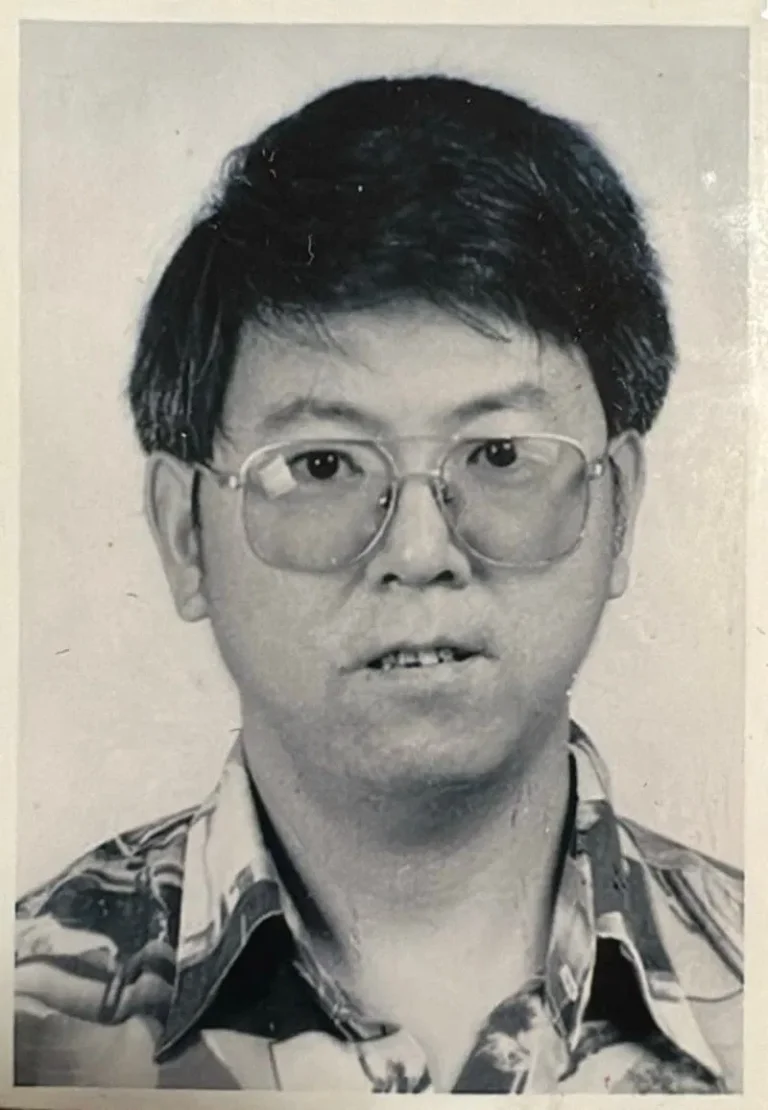
陈西

0

陈西(1954年2月29日—),贵州贵阳人(祖籍广西玉林),原名陈友才。著名民运人士、《零八宪章》首批签署人,也是“贵州人权研讨会”联合创始人。三次入狱,累积服刑23年:1989年因组建“贵州爱国民主联合会”声援六四获刑3年;1995年因筹组“中国民主党贵州分部”并呼吁为六四平反,被判10年;2011年因发表36篇异议文章被控“煽动颠覆国家政权罪”,再次获刑10年,服刑至2021年11月28日获释 。2011年10月曾软禁并独立参选地方人大,引发关注 。狱中遭严格限制、酷刑折磨,且健康受损 。出狱后长期被当局严密监控,家庭生活受限 。2020年曾获“刘晓波写作勇气奖” 。陈西以笔为剑,不屈坚持,成为当代中国民主与人权运动中最坚韧的象征之一。

Chen Xi (born February 29, 1954), born in Guiyang, Guizhou (ancestral home in Yulin, Guangxi), originally named Chen Youcai, is a prominent Chinese pro-democracy activist and an early signatory of Charter 08. He is also co-founder of the Guizhou Human Rights Symposium.

Chen has been imprisoned three times, serving a total of 23 years. In 1989, he was sentenced to three years for founding the Guizhou Patriotic and Democratic Union in support of the Tiananmen protests. In 1995, he received a 10-year sentence for helping to organize the Guizhou branch of the China Democracy Party and calling for a reassessment of June 4th. In 2011, he was sentenced to another 10 years for publishing 36 dissenting essays.

In October 2011, while under house arrest, Chen attempted to run as an independent candidate for local People’s Congress, drawing attention. During his imprisonment, he was subjected to harsh restrictions, torture, and deteriorating health. He was released on November 28, 2021, but remains under close surveillance, with his family life heavily constrained.

A recipient of the 2020 Liu Xiaobo Courage in Writing Award, Chen Xi is widely regarded as one of the most resilient figures in China’s struggle for democracy and human rights—unyielding, principled, and fearless with his pen.

吕耿松

0

吕耿松(1956年1月7日—),浙江杭州人,原浙江高等公安专科学校教师,后成为维权撰稿人、中国民主党浙江筹委会发起人之一。2007年8月因参与民运活动被拘捕,2008年2月因“煽动颠覆国家政权罪”被判刑4年,2011年8月出狱,并获独立中文笔会“狱中作家奖” 2014年8月再度被捕,2016年6月17日被杭州中级法院判处11年有期徒刑,剥夺政治权利5年,浙江高院于同年11月维持原判。狱中健康状况堪忧,患多种疾病并曾遭虐待。吕耿松长期坚持国内抗争,在文运与民主运动领域内具有显著象征意义。

Lü Gengsong (born January 7, 1956, Hangzhou, Zhejiang) is a former police college instructor turned rights writer and a founding member of the China Democracy Party’s Zhejiang committee.

He was first arrested in August 2007 for pro-democracy activities and sentenced in 2008 to four years for “inciting subversion of state power.” After his release in 2011, he received the Independent Chinese PEN’s “Freedom to Write in Prison” Award. In 2014, he was arrested again and, in 2016, sentenced to 11 years with five years’ political rights deprivation—a sentence upheld on appeal.

Lü has endured harsh prison conditions and serious health issues, including reported abuse.

His long-standing commitment to domestic dissent has made him a prominent symbol in China’s literary and democratic resistance movements.

查建国

0

查建国(1951年8月18日—),江苏宜兴人,生于北京,曾任《中国电视戏曲》杂志社办公室主任,是中国民主党的缔造者之一,也是联合总部首任执行主席暨京津党部副主席。1998年7月,他因协助组建“中国民主党北京天津党部”被控颠覆国家政权,1999年被判刑九年并剥夺政治权利两年,至2008年6月28日刑满出狱出狱后,他依然留在国内,坚持推动政治体制改革,积极撰写时政评论,并对海外民主运动持“失望与希望并存”的立场。长期服刑使其健康受损,但他依然坚定不移,成为中国民主派的“硬汉”代表人物。

Zha Jianguo (born August 18, 1951, in Beijing, originally from Yixing, Jiangsu) is a veteran Chinese dissident and a founding member of the China Democracy Party. He formerly served as executive chairman of the party’s Joint Headquarters and vice-chair of its Beijing-Tianjin branch. He was also office director at China Television Opera magazine.

In July 1998, he was arrested for helping establish the CDP’s Beijing-Tianjin branch and, in 1999, sentenced to nine years in prison with two years’ deprivation of political rights for “subverting state power.” He was released on June 28, 2008.

Despite years of imprisonment and declining health, Zha chose to remain in China, continuing to advocate for political reform and publish political commentary. His stance toward the overseas democracy movement has been described as “a mix of disappointment and hope.” He is widely regarded as a symbol of steadfastness—a “tough man” of China’s democratic opposition.

陈树庆

0

陈树庆(1965年9月26日—),浙江富阳人,自由撰稿人、人权活动家,是中国民主党浙江筹委会成员及全国筹委会负责人之一。他1980年代曾参与“86浙江学运”和“89天安门民主运动”,1998年加入中国民主党浙江筹委会,1999年因组织活动被捕,2007年因发表异议文章获刑4年。2014年9月再度被以“颠覆国家政权罪”拘捕,2016年6月17日被杭州市中级法院重判10年6个月、剥夺政治权利4年,服刑至2025年3月10日刑满获释。在狱中坚持信念,不屈服,不悔改,成为中国民主与人权事业中一位坚毅的象征人物。

Chen Shuqing (born September 26, 1965) is a freelance writer, human rights activist, and a leading member of the China Democracy Party’s Zhejiang and national preparatory committees.

He participated in the 1986 Zhejiang student movement and the 1989 Tiananmen protests. In 1998, he joined the China Democracy Party; he was arrested in 1999 for organizing party activities and sentenced again in 2007 for publishing dissenting articles.

In 2014, Chen was detained on charges of “subverting state power” and, in 2016, sentenced to 10 years and 6 months in prison, with four years’ deprivation of political rights. He was released on March 10, 2025, after serving his full term.

Unyielding in prison and steadfast in his beliefs, Chen is recognized as a resolute figure in China’s pro-democracy and human rights movement.

许万平

0

许万平(1961年4月11日—),重庆人,是中国异议人士和民运活动家,自1980年代起投身推动中国民主运动,曾三度被判刑与劳教,累计服刑23年,在重庆监狱度过约20年 。1989年六四后,他筹建“中国行动党”,被判8年有期徒刑并剥夺政治权利5年 。1998年10月,他因被控“扰乱社会秩序罪”行政拘留15天,随后劳教3年 。2005年12月,他与多位异议人士联名致函联合国,随后被以“煽动颠覆国家政权罪”重判12年、剥夺政治权利4年。2014年4月29日,他刑满出狱并返回重庆 。出狱后,他健康状况堪忧,曾遭严密监控,仍坚持政治立场不改,强调“无悔无怨” 。作为中国民主运动中最坚定的象征之一,许万平以其长期抗争与执着信仰,激励着世代民运人士继续为民主而奋斗。

Xu Wanping (born April 11, 1961, Chongqing) is a veteran Chinese dissident and pro-democracy activist. He has been imprisoned or subjected to re-education through labor three times, serving a total of 23 years—nearly 20 of them in Chongqing prisons.

After the 1989 Tiananmen crackdown, Xu attempted to establish the China Action Party and was sentenced to eight years in prison with five years’ political rights deprivation. In 1998, he was detained for “disturbing public order” and subsequently sent to three years of re-education through labor. In 2005, after co-signing a letter to the United Nations with other dissidents, he was sentenced to 12 years for “inciting subversion of state power” and released in April 2014.

Despite deteriorating health and ongoing surveillance, Xu has remained firm in his political convictions, declaring he holds “no regret, no resentment.” He is widely seen as one of the most steadfast symbols of China’s pro-democracy movement—an inspiration to generations of activists.

刘贤斌

0

刘贤斌(1968年10月2日—),别名刘陈、笔名万贤明,四川遂宁人,独立作家、人权活动家,零八宪章首批签署人,也是中国民主党西南筹委会主要组织者。1987年入读北京人大学后积极参与1989年学运,1991年4月被捕,1992年被判“反革命宣传煽动罪”2年6个月,1993年出狱。1998年他组织中国民主党西南筹委会,1999年被判“颠覆国家政权罪”13年,2008年11月出狱出狱后签署《零八宪章》,公开撰文揭露“豆腐渣工程”、声援谭作人、黄琦,并发起“黄丝带行动”营救陈云飞。2010年因发表言论再次被捕,2011年被四川遂宁中院判“煽动颠覆国家政权罪”10年,直至2020年6月27日刑满释放。三次入狱、累积服刑逾22年,他以笔为剑,执着抵抗暴政,是中国民主与人权运动的顽强象征。

Liu Xianbin (born October 2, 1968, Suining, Sichuan), also known by the aliases Liu Chen and Wan Xianming, is an independent writer, human rights activist, and a key organizer of the China Democracy Party’s Southwest Preparatory Committee. He was also among the first signatories of Charter 08.

Liu joined the 1989 student movement while studying at Renmin University. He was arrested in 1991 and sentenced to 2.5 years for “counterrevolutionary propaganda.” In 1998, he helped form the CDP Southwest Committee and was sentenced in 1999 to 13 years for “subversion.” Released in 2008, he continued to write on sensitive issues, support fellow activists like Tan Zuoren and Huang Qi, and launched the “Yellow Ribbon Campaign” to aid Chen Yunfei.

In 2010, Liu was arrested again for his writings and in 2011 sentenced to 10 years for “inciting subversion.” He was released on June 27, 2020.

Having served over 22 years in prison across three terms, Liu is regarded as a steadfast figure in China’s democracy and human rights movement—resisting authoritarianism with unwavering resolve and the power of the pen