
文|林小龙
采访:林小龙 编辑:张致君 责任编辑:朱虞夫
资料整理:林小龙 校对:程筱筱 翻译:彭小梅
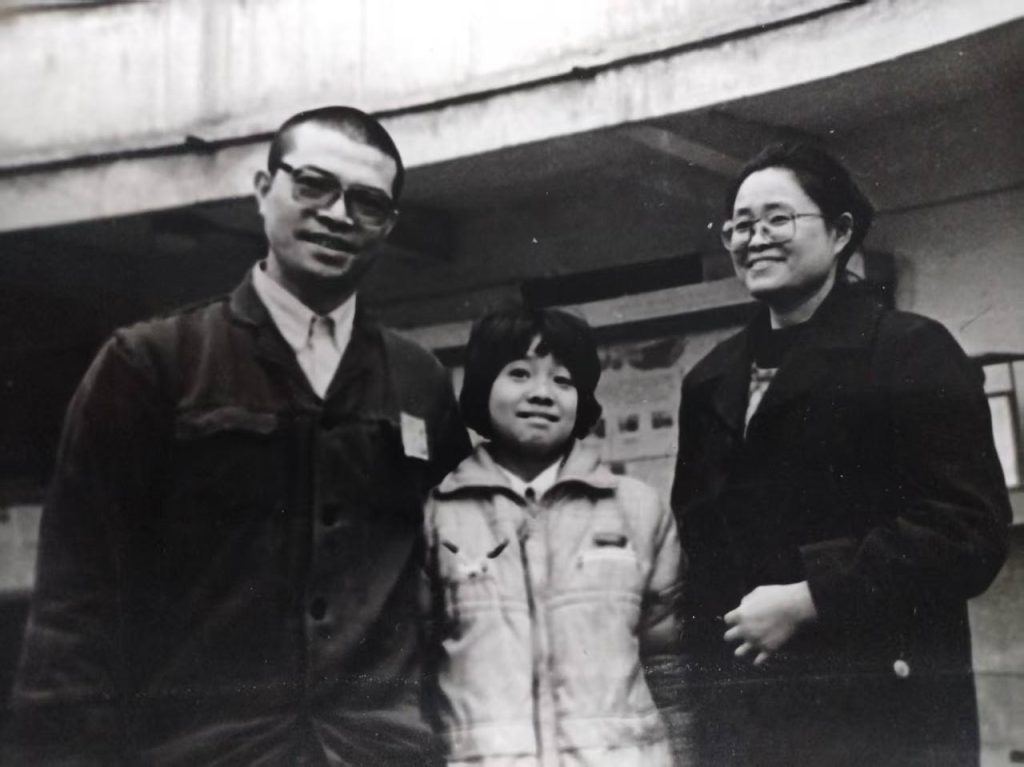
陈西,基督徒,贵州民主人权运动核心人物之一。自1980年代起,他先后参与组织「沙龙联谊会」「爱国民主联合会」「中国民主党贵州分部」及「公民国际人权研讨会」,发表政论文章一百七十余篇,著有五十万字《绿色文化工具书》。因坚持民主理念,他三次入狱,累计服刑二十三年。
1989年的六四事件,成为他人生的转折点。原本身为共产党员、国家干部、大学教师的他,被当局“选定”为贵州地区的代表性人物。在国家机器的指认下,他从被动参与者转为主动承担者——将个人命运与民族的民主进程紧密绑定。从此,牢狱、伤痕与打压成为常态,但“做一个反者、做一个公民”的信念始终未曾动摇。
上期采访回顾了他的人生转折与苦难经历,也呈现了他对中国政治转型的思考——通过制度约束驯化权力,而非制造新的权力循环。他寄望年轻一代延续反对派传统,记录历史,推动自由、民主与公民意识的成长。
然而,出狱后的陈西并未获得任何真正意义上的“重生”。他原本应像普通退休教师一样,安稳地回归生活,却发现自己过去的职业身份和社会保障体系被当局系统性剥夺。尽管家人为他多年缴纳了社保,地方社保部门却以判刑期间不计入缴费年限为由,粗暴地取消了他本应享有的养老金,将一个本该安享晚年的公民逼入长期的不确定与困顿之中。
这样的做法,在中国的异议人士群体中并非孤例:无数因为坚持信念、追求自由的人,即便服完刑期,依然被剥夺退休权利和基本生活保障,昔日为推动宪政民主、为国家社会贡献的精力与付出,被赤裸裸地否定和掠夺。
对陈西而言,这种制度性的“延续惩罚”无疑暴露了中共权力的冷酷与无情:惩罚从未在庭审结束后止步,极权通过行政、司法、社会机制层层加码,持续重新界定他的身份与权利,使他无法回归普通公民的生活轨迹。在独裁极权下没有公正、没有救济,只有一套精心设计、永不停息的权力机器——专门针对那些敢于质疑、敢于反抗的人而运转。
每一次被取消的养老金,每一次行政阻碍,都不仅是对个人的惩罚,更是中共政治制度对整个社会自由与公民权利的公然践踏。
林:您从出狱之后,共产党对你的养老金是如何处理的?
陈:我出狱之后,我对社保局、军人事务部进行了投诉,我家里人给我交了社保,但是社保局说我坐牢十年,给我取消了,这样的行为不单单是一种契约的不履行,更是一种落井下石。我已经受到了惩罚,共产党的这种行为是跟法律相抵触的,完全就是以地方的行政法规去处罚我。之前我是贵州省贵阳学院的教师,1989年因“64”事件被学校开除。
林:当社保部门告诉你取消你的社保待遇的时候,有没有提供书面解释和法律依据?
陈:没有法律依据,当时是以贵州省的行政法规给我解释的,我认为这跟法律不相符,这不是一个法治国家的表现,因为我坐牢,我退伍军人的待遇可以取消,但是我坐牢之后,我作为一个普通公民,我的正常待遇不应当给我取消。
林:您是否进行行政复议或者提起行政诉讼?
陈:我进行了行政复议,从社区到观山湖区到贵阳市政府,他们是这样答复我的“根据贵州省的行政法规,坐牢期间的缴费不应当计算在内”。地方性法律法规与法律冲突时以法律为准。我在我的投诉状中给到了建议,法律的处罚是有边界的,但是你们对我的处罚是没有边界的,你们可以剥夺我退伍军人的优待,曾经我作为一名军人,为国家做出的贡献是不能磨灭的,但是现在你们对我的处罚无异于“无期徒刑”。
林:如果按照正常的社保状态,那么现在你能够获得一个什么样的待遇?
陈:如果按照正常工龄来计算,那么我可以领到5~6千,社保局有二十年的工龄没有给我算,加上五年的军龄一共是二十五年,家人给我交了十八年的社保,一共是四十三年。
林:您觉得这样的情况是单纯的行政行为还是一个政治惩罚的延续?
陈:这是国家的政策法规没有进入法治国家的理念,而是阶级斗争,还是旧理念的模式,遇到“敌人”就要斗争到底,绝不姑息。
林:您去反应你的情况的时候是否有工作人员暗示过您的情况跟别人的不一样?
陈:没有暗示过我,社保是我的家人给我交的,但是处罚我的法规文件是不给我看的,除非我同意他们的处罚,都是暗箱操作。导致这种状态就是因为这个国家还停留在“马列主义”时期,不是一个真正的法治国家。随时都要求“意识形态”这种虚无缥缈的东西,现在这个国家就是一个“党治”国家,全由共产党统治。
林:据您了解像跟您一样的所谓的“政治犯”是否遭到同样的遭遇?
陈:都是一样的情况,我们都是“党治”的受害者。
林:现在您没有养老金,那么您的日常开销的主要来源是什么?
陈:主要是来源于我的家人。
林:那么您现在住房、医疗开销压力大吗?
陈:压力肯定大,现在经济状况不好,而且物价还高。现在当地公安、政法委四十多个人轮班看守我,“疫情”早就过去了,但是“红袖章”还在我居住的这里,每年他们统计过花在我身上的慰问费是200万元,共产党的维稳经费是很高昂的,管理国家的经费是全球最多的,这就是专家学者已经公布的。五年前我出狱的时候,当时公安局的某位大队长曾经用一千万让我“息事宁人”,但是我没有同意,我告诉他们,我的人生不是为金钱而活,你们把我这种精神看得太渺小了。早期贵州另外两位民运人士就是这样处理的,改革开放初期每人给了五十万让他们放弃民运。
采访并非发生在同一空间。记者身在海外,陈西本人仍在中国,交流只能通过远程方式断续进行。但正是在这种被时间、地域与审查层层隔开的状态下,一个个细节得以被反复确认、拼接与记录。在现实的重压之下,他依然保持着清醒的判断与清晰的表达。惩罚可以剥夺自由、切断收入,却始终无法彻底消除一个人对尊严、法治与自由的坚持。这,或许正是陈西至今仍被严密“看守”的真正原因。
在中国当下的政治现实中,“出狱”并不意味着惩罚的结束。对一些人而言,它只是另一种长期惩罚的开始。贵州民运人士陈西,正是这样一位始终被制度持续追逐的人。
当制度以无边界的权力剥夺一个人的权利与尊严时,公民的责任不仅是自保,更是守护普遍的法治原则与社会正义。
陈西选择的不仅是生存,更是长期的社会实践:通过记录历史、捍卫自由、批判权力。
他试图为极权社会留下一条可能的出路:在制度的野兽面前,公民的理性与良知可以成为驯化力量。
Chen Xi: A Life Punished, Yet a Faith Unextinguished
Interview: Lin Xiaolong Editor: Zhang Zhijun Responsible Editor: Zhu Yufu
Research & Documentation: Lin Xiaolong Proofreader: Cheng Xiaoxiao Translator:Peng Xiaomei
Chen Xi, a Christian and one of the core figures of the democratic and human rights movement in Guizhou, China. Since the 1980s, he has successively participated in organizing the “Salon Fellowship,” the “Patriotic Democratic Union,” the “Guizhou Branch of the China Democracy Party,” and the “International Human Rights Forum for Citizens.” He has published more than 170 political commentaries and authored the 500,000-word Green Culture Reference. Because of his persistent advocacy for democratic ideals, he has been imprisoned three times, serving a total of twenty-three years in prison.
The June Fourth Incident of 1989 became the turning point in his life. Once a member of the Communist Party, a state official, and a university lecturer, he was designated by the authorities as a representative figure in Guizhou during that period. Under the identification of the state apparatus, he transformed from a passive participant into an active bearer of responsibility—binding his personal fate with the democratic progress of the nation. From then on, imprisonment, wounds, and repression became a constant in his life, yet his belief in “being an opposer, being a citizen” has never wavered.
In the previous interview, we reviewed the turning point in his life and the hardships he endured, while also presenting his reflections on China’s political transition: restraining power through institutional constraints rather than creating a new cycle of power. He places hope in the younger generation to continue the tradition of the opposition, to record history, and to promote the growth of freedom, democracy, and civic consciousness.
However, Chen Xi did not gain any real sense of “rebirth” after his release from prison. Like an ordinary retired teacher, he should have returned peacefully to everyday life. Instead, he discovered that his previous professional status and social security rights had been systematically stripped away by the authorities.
Although his family had paid his social security contributions for many years, the local social security bureau bluntly canceled the pension he should have been entitled to, citing the reason that the years he spent in prison could not be counted toward his contribution period. As a result, a citizen who should have been enjoying his later years in peace was pushed into long-term uncertainty and hardship.
Such practices are not isolated cases among China’s dissident community. Numerous individuals who have insisted on their beliefs and pursued freedom find that even after completing their prison sentences, they continue to be deprived of pension rights and basic social security. Their contributions to constitutional democracy and society are openly denied and stripped away.
For Chen Xi, this form of institutional “extended punishment” exposes the cruelty and coldness of Communist Party power. Punishment does not end with the conclusion of a trial. Through administrative, judicial, and social mechanisms, the authoritarian system continually redefines his identity and rights, preventing him from returning to the normal trajectory of a citizen’s life.
Under authoritarian rule, there is no justice and no remedy—only a carefully designed and ceaseless machinery of power operating specifically against those who dare to question and resist.
Each canceled pension payment and each administrative obstruction is not merely punishment against an individual; it is also a blatant trampling of freedom and civil rights across the entire society.
Interview
Lin: After you were released from prison, how did the Communist Party handle your pension?
Chen: After my release, I filed complaints with the Social Security Bureau and the Veterans Affairs Department. My family had paid my social insurance contributions, but the Social Security Bureau said that because I served ten years in prison, those years would be canceled. Such behavior is not merely a breach of contract; it is adding insult to injury. I have already been punished. The Party’s actions contradict the law entirely. They are simply using local administrative regulations to punish me. Previously I was a teacher at Guiyang University in Guizhou Province. I was dismissed by the university in 1989 because of the “June Fourth” incident.
Lin: When the Social Security Department informed you that your pension benefits were canceled, did they provide a written explanation or legal basis?
Chen: There was no legal basis. They explained it using Guizhou provincial administrative regulations. I believe this contradicts the law. It does not reflect the rule of law. Because I went to prison, my preferential treatment as a veteran may be canceled. But after serving my sentence, as an ordinary citizen, my normal rights should not be canceled.
Lin: Did you file for administrative reconsideration or initiate administrative litigation?
Chen: I applied for administrative reconsideration—from the community level to Guanshanhu District and then to the Guiyang municipal government. Their response was: “According to Guizhou provincial regulations, contributions made during imprisonment should not be counted.” But when local regulations conflict with national law, the law should prevail. In my complaint I pointed out that legal punishment has boundaries, but their punishment of me has no boundaries. They may revoke my veteran benefits, but my contributions as a soldier to the country cannot be erased. What they are doing to me now is essentially a “life sentence.”
Lin: If your social security had been calculated normally, what benefits would you be receiving now?
Chen: If calculated based on my normal years of service, I should receive about 5,000 to 6,000 yuan per month. The Social Security Bureau refused to count twenty years of my work history. Including my five years of military service, that would be twenty-five years. My family paid eighteen years of social insurance contributions. Altogether that should be forty-three years.
Lin: Do you believe this situation is simply administrative behavior, or is it a continuation of political punishment?
Chen: It reflects that the country’s policies and regulations have not embraced the concept of rule of law. Instead, it still follows the old logic of class struggle—treating “enemies” with relentless confrontation and no tolerance.
Lin: When you raised your case, did any officials imply that your situation was different from others’?
Chen: No one said it directly. My social insurance was paid by my family, but the documents used to punish me were never shown to me. Unless I accepted their punishment, I would not be allowed to see them. Everything was done in secrecy. This situation exists because the country is still stuck in the era of “Marxism-Leninism,” not a genuine rule-of-law state. Everything is subordinated to ideology—something vague and intangible. This country is a “Party-ruled” state, governed entirely by the Communist Party.
Lin: As far as you know, do other so-called “political prisoners” face the same treatment?
Chen: Yes. It is the same for all of us. We are all victims of “Party rule.”
Lin: Without a pension now, what is your main source of income?
Chen: Mainly my family supports me.
Lin: Are housing and medical expenses a heavy burden for you?
Chen: Of course, the pressure is heavy. The economy is not doing well, and prices are high. At present, more than forty people from the local police and political-legal committee take turns monitoring me. The pandemic ended long ago, but the “red armbands” are still around where I live. They calculated that every year about two million yuan is spent on “stability maintenance” concerning me. The Communist Party’s stability maintenance budget is extremely high—the highest governance cost in the world, as scholars have already pointed out.
When I was released five years ago, a police captain once offered me ten million yuan to “let things go.” But I refused. I told them that my life is not lived for money. They underestimate this spirit. Earlier, two other democracy activists in Guizhou were handled this way—in the early reform era they were each given 500,000 yuan to abandon their activism.
The interview did not take place in the same physical space. The reporter was overseas, while Chen Xi remains in China. Communication could only proceed intermittently through remote channels. Yet it was precisely through this separation—by time, distance, and layers of censorship—that details could be repeatedly confirmed, pieced together, and recorded.
Under the pressure of reality, Chen Xi still maintains clear judgment and articulate expression. Punishment can deprive a person of freedom and cut off income, but it cannot extinguish a person’s commitment to dignity, rule of law, and freedom. This, perhaps, is the real reason why Chen Xi continues to be under strict surveillance even today.
In today’s political reality in China, “release from prison” does not mean the end of punishment. For some people, it merely marks the beginning of another form of long-term punishment. Chen Xi, a democracy activist from Guizhou, is precisely such a person—one who continues to be pursued by the system.
When a system uses boundless power to strip away a person’s rights and dignity, the responsibility of citizens is not only self-preservation but also the defense of universal principles of rule of law and social justice.
Chen Xi’s choice is not merely survival; it is long-term civic practice—recording history, defending freedom, and criticizing power.
He is attempting to leave a possible path for an authoritarian society: before the beast of the system, the rationality and conscience of citizens may become the force capable of taming it.